
 BTC
BTC
 ETH
ETH
 LTC
LTC
 BCH
BCH
 DOGE
DOGE
 USDT
USDT
 DASH
DASH
 USDC
USDC
 XRP
XRP
 XMR
XMR
 TRX
TRX
 BNB
BNB
 SHIB
SHIB
 DAI
DAI
 SOL
SOL
 ZEC
ZEC
 ETC
ETC
 POL
POL
 XLM
XLM
 ADA
ADA

Online payments have changed significantly over the past decade.
Bank cards once dominated online transactions, but consumers can now choose between digital wallets, instant bank transfers, mobile banking applications and cryptocurrency. Online casinos have followed the same trend.
Players increasingly expect to choose a payment method that fits the way they already manage money elsewhere. For some, that means a familiar debit card. For others, it means a fintech account or a cryptocurrency wallet.
The result is a much broader payment landscape than existed only a few years ago.
Traditional Payments Still Matter
Visa and Mastercard remain among the most recognisable methods for online payments.
Their main advantage is familiarity. Most users already understand how card payments work and do not need to create another account or learn how blockchain transactions operate.
Bank transfers are another established option. They can be particularly useful for users who prefer moving money directly between bank accounts rather than storing funds with another payment provider.
However, deposit and withdrawal processes are not necessarily identical. A method available for adding funds may not always be available when withdrawing them.
For that reason, checking casino payment methods before depositing can help users understand the practical differences between cards, bank transfers, e-wallets, fintech services and alternative payment options.
Fintech Has Changed Expectations
Modern banking applications have made consumers accustomed to instant notifications, mobile controls and simple transaction histories.
That has influenced what users expect from gambling platforms as well.
A casino payment method is no longer judged only by whether a transaction succeeds. Players may also care about how easily they can monitor spending, control cards or separate leisure expenditure from other money.
Revolut is one example of a fintech service that has become familiar to European consumers. Some players specifically research Revolut casinos when they want to know which gambling platforms support the service and how deposits or withdrawals are handled.
The broader trend is more important than any individual provider. Consumers increasingly expect financial tools to integrate smoothly with the digital services they use.
Crypto Adds Another Payment Layer
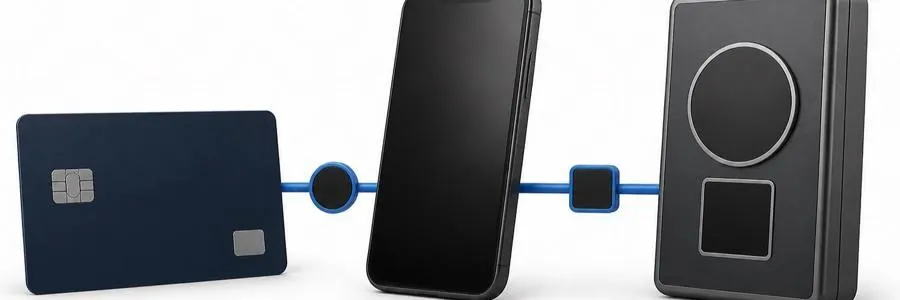
Cryptocurrency introduces a different payment model.
Instead of authorising a transaction through a card network or bank, a user sends digital assets directly to a blockchain address supplied by the casino.
This can provide certain practical advantages. Cryptocurrency transactions operate internationally, and users who already hold digital assets may prefer not to convert them into fiat currency before depositing.
However, crypto also introduces considerations that are less relevant to traditional payments.
Network fees can change. Wallet addresses must be entered correctly. Different blockchains may support similarly named assets, meaning users need to verify which network the casino accepts.
Cryptocurrency values can also fluctuate between the time of deposit and withdrawal.
These factors mean crypto is not automatically better or worse than conventional payments. It simply works differently.
Withdrawal Rules Matter More Than Deposit Speed
Casino marketing often emphasises fast deposits because they are easy to demonstrate.
Withdrawals are more complicated.
Before funds are released, an operator may need to review the account, complete identity verification or confirm that promotional conditions have been met.
After approval, the payment provider may require additional processing time.
Crypto can reduce some traditional banking delays, but it does not eliminate the casino’s internal review process.
Players should therefore separate two different questions:
How long does the casino take to approve the withdrawal?
How long does the payment network take to deliver the money afterwards?
A method can technically process quickly while the overall withdrawal still takes longer because of the first stage.
Fees Should Be Checked Before Depositing
Payment costs can come from several places.
The casino may charge a transaction fee, although many operators do not charge for common deposit methods. The bank, e-wallet or blockchain network may apply its own fee separately.
Currency conversion can introduce another cost when the casino account and payment method use different currencies.
For cryptocurrency, blockchain network fees should also be considered.
A useful comparison therefore looks at the complete transaction rather than simply asking whether deposits are advertised as free.
Security Depends on User Behaviour Too
Payment providers and casinos can implement security measures, but users still control an important part of the process.
Strong passwords and two-factor authentication should be enabled where available. Crypto users should verify wallet addresses carefully and avoid sending funds through unfamiliar links.
Users should also confirm that they are accessing the genuine casino website before entering payment details.
These precautions are particularly important when financial services and gambling accounts are being accessed from the same mobile device.
More Choice Is Ultimately the Main Benefit
The biggest improvement in casino payments is not necessarily speed.
It is choice.
A player who does not want to use a bank card may have several alternatives. Someone who already uses a fintech application can potentially continue using a familiar financial environment. A cryptocurrency holder may be able to deposit digital assets directly.
That flexibility makes online gambling payments more similar to the wider e-commerce market.
As payment technology continues developing, casinos will probably support an even wider mix of traditional and blockchain-based methods. The most useful option will still depend on the individual player’s priorities, location and financial habits.