
 BTC
BTC
 ETH
ETH
 LTC
LTC
 BCH
BCH
 DOGE
DOGE
 USDT
USDT
 DASH
DASH
 XRP
XRP
 USDC
USDC
 XMR
XMR
 BNB
BNB
 TRX
TRX
 SHIB
SHIB
 DAI
DAI
 ZEC
ZEC
 SOL
SOL
 ETC
ETC
 POL
POL
 XLM
XLM
 ADA
ADA
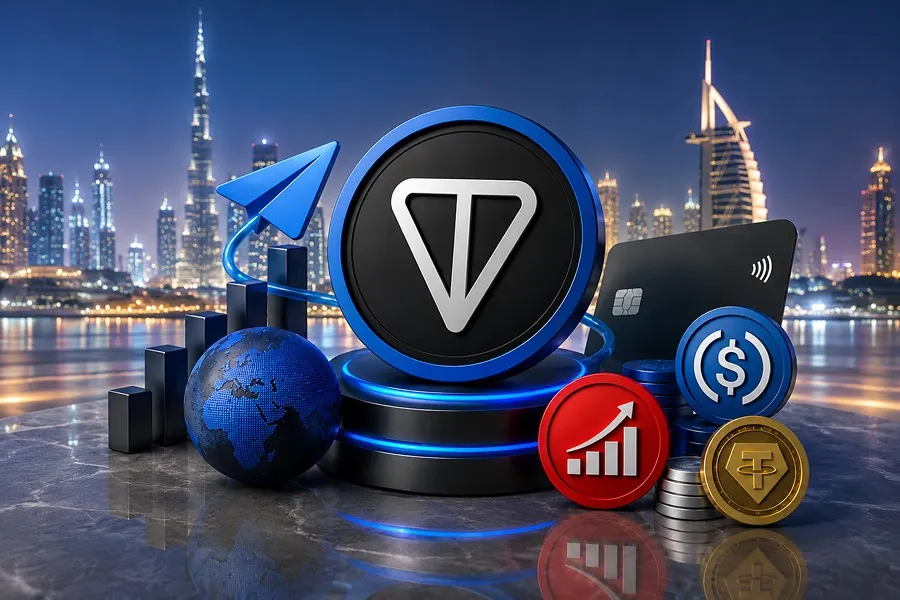
The crypto industry is moving fast, but this week’s developments reveal something bigger than short-term market movements.On one side, major payment giants are building new stablecoin infrastructure.
Here are the stories that caught our attention this week.
Toncoin Is Becoming Gram Again
After years of operating under the Toncoin name, the native asset of The Open Network is preparing for a major rebrand.
Telegram founder Pavel Durov confirmed that Toncoin (TON) will soon officially become Gram (GRAM).
According to Durov, the transition should be completed within the next few weeks.
Importantly, only the token name is changing. The blockchain itself will continue operating as TON (The Open Network), and users will not need to exchange, migrate, or convert their coins.
Any services claiming otherwise are scams.
For longtime followers of the project, the decision feels familiar. Gram was the original name of the cryptocurrency described in the first TON white paper before regulatory battles forced Telegram to step away from the project years ago.
Durov described the change as a "return to the roots" and part of the broader MTONGA (Make TON Great Again) initiative.
Whether the new-old branding resonates with users remains to be seen, but it undoubtedly reconnects the ecosystem with its original vision.
TON Is Now One of the Fastest-Growing Blockchains
The rebranding news arrives at a moment when TON is already gaining momentum.
According to recent network statistics, TON recorded the strongest growth in transaction activity among major blockchains over the past 30 days, outperforming networks such as:
Sui
Base
Aptos
Tron
The growth reflects the increasing integration between TON and Telegram's massive user base.
While many blockchains continue competing for developers and liquidity, TON has a unique advantage: direct exposure to hundreds of millions of Telegram users.
That advantage is becoming increasingly visible in network activity.
Visa, Mastercard, Stripe and Possibly Coinbase Are Building Stablecoin Infrastructure
Meanwhile, stablecoins continue moving deeper into traditional finance.
Reports indicate that payment giants including:
Visa
Mastercard
Stripe
are supporting a new stablecoin platform expected to launch soon.
Industry reports also suggest that Coinbase could join the initiative.
Just a few years ago, large payment companies approached crypto cautiously. Today, many of them are actively building the infrastructure that may power future digital payments.
The direction is becoming increasingly clear.
The question is no longer whether stablecoins will be integrated into mainstream payment systems.
The question is how quickly it will happen.
Tether Wants Your Cashback Paid in Gold
Perhaps the most unusual announcement this week came from Tether.
The company is launching a new Visa card that offers cashback rewards in XAU₮, Tether's tokenized gold product.
Instead of collecting airline miles or reward points, users can accumulate digital gold simply by making purchases.
The card offers:
up to 6% cashback in XAU₮
automatic conversion of gold-backed assets into fiat during purchases
round-up functionality that automatically invests spare change into tokenized gold
The partnership was announced together with Fasset and represents another example of how tokenized real-world assets are beginning to move beyond investment products and into everyday consumer finance.
For years, crypto cards focused primarily on Bitcoin rewards.
Now companies are experimenting with an entirely different concept: spending fiat while gradually building a position in digital gold.
Crypto Adoption Is Becoming More Practical
Taken together, these developments highlight a broader trend.
The industry is gradually moving away from pure speculation and toward practical financial products:
stablecoins integrated with global payment networks
crypto rewards tied to real-world assets
blockchain ecosystems focused on user growth
consumer payment tools designed for everyday spending
Across the businesses listed on Cryptwerk, stablecoins continue gaining popularity as a preferred payment method, while blockchain networks increasingly compete on usability rather than just token performance.
The next phase of crypto adoption may look very different from the last one.
Less hype. More infrastructure.
And increasingly, products that ordinary users can actually use every day.