
 BTC
BTC
 ETH
ETH
 LTC
LTC
 BCH
BCH
 DOGE
DOGE
 USDT
USDT
 DASH
DASH
 XRP
XRP
 USDC
USDC
 XMR
XMR
 BNB
BNB
 TRX
TRX
 SHIB
SHIB
 DAI
DAI
 ZEC
ZEC
 SOL
SOL
 ETC
ETC
 POL
POL
 XLM
XLM
 ADA
ADA
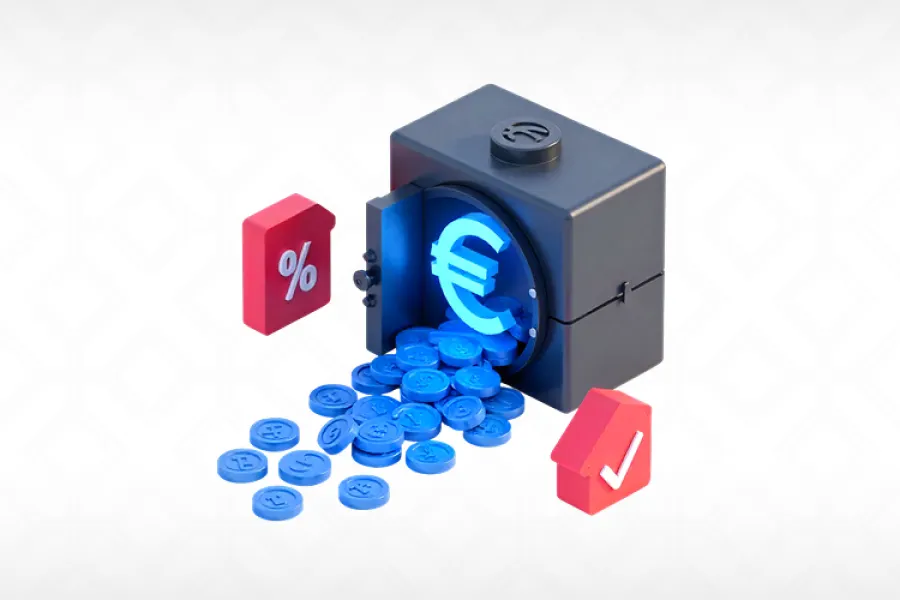
Digital asset regulation and integration continue to evolve across Europe, with new developments highlighting the growing role of stablecoins and tax reform in shaping the financial landscape.
Société Générale launches euro stablecoin on XRP Ledger
One of France’s the largest banking institutions, Société Générale, is launching a euro-denominated stablecoin called EUR Coinvertible on the XRP Ledger.
The initiative marks another step toward institutional adoption of blockchain-based financial instruments. By issuing a euro-backed stablecoin on a public distributed ledger, Société Générale is expanding its digital asset strategy and reinforcing the growing role of regulated financial institutions in the stablecoin market.
The move also reflects increasing experimentation within Europe as banks explore tokenized representations of fiat currencies alongside broader digital euro discussions.
Bundesbank president calls for euro-pegged stablecoin
Joachim Nagel, president of the Deutsche Bundesbank, has advocated for the creation of a euro-pegged stablecoin to counterbalance the dominance of dollar-denominated digital assets.
According to Nagel, such an instrument could help reduce digital dollarization risks and enable cheaper cross-border payments within and beyond the eurozone. The proposal complements ongoing discussions around the digital euro while emphasizing the strategic importance of euro-based digital instruments.
Croatia exempts long-term crypto holders from capital gains tax
Meanwhile, Croatia has revised its crypto tax framework. Investors who hold digital assets for more than two years are now exempt from capital gains tax when converting crypto into fiat currency.
Under the new rules, long-term holders effectively face a 0% tax rate instead of the standard 12% applied to assets sold earlier. The reform positions Croatia among the more crypto-friendly jurisdictions in the European Union for long-term investors and encourages extended holding strategies.
Why It Matters
These developments highlight Europe’s accelerating engagement with stablecoins and digital asset regulation. Société Générale’s euro-backed stablecoin launch demonstrates that traditional financial institutions are actively entering blockchain-based currency issuance. Germany’s call for a euro-pegged stablecoin underscores concerns about monetary sovereignty in a dollar-dominated digital ecosystem. Meanwhile, Croatia’s tax reform shows how fiscal incentives are being used to attract and retain long-term crypto investors.
Together, these moves signal that digital assets are increasingly embedded within Europe’s financial architecture rather than remaining on its periphery.