
 BTC
BTC
 ETH
ETH
 LTC
LTC
 BCH
BCH
 DOGE
DOGE
 USDT
USDT
 DASH
DASH
 XRP
XRP
 USDC
USDC
 XMR
XMR
 TRX
TRX
 BNB
BNB
 SHIB
SHIB
 DAI
DAI
 ZEC
ZEC
 SOL
SOL
 ETC
ETC
 POL
POL
 XLM
XLM
 ADA
ADA

Crypto stopped being a “tech-only” payment option and became routine for people who already use mobile wallets. The appeal stays simple: quick top-ups, fewer bank steps, and clearer tracking when someone keeps a separate wallet for entertainment spending.
On melbet in, crypto deposits sit next to the usual payment choices, so the flow looks familiar. The platform uses 128-bit SSL encryption and runs under a Curaçao license, which matters when money moves through a browser or app. Those two details do not guarantee safety on their own, yet they set a baseline that serious payment services typically meet.
What “crypto-friendly” actually means
Crypto-friendly does not mean “free of friction.” It usually means the platform supports mainstream coins, keeps minimums low, and processes withdrawals without odd delays. Melbet accepts Bitcoin, Litecoin, and Dogecoin, and the minimum withdrawal starts at $1, which helps when someone wants a small test cashout before moving larger amounts.
People often expect crypto to feel instant, then get surprised by confirmations. A Bitcoin transfer can take longer during busy periods, so planning matters more than optimism. Litecoin and Dogecoin usually feel smoother for small transfers, mostly because fees stay low.
Fees decide the mood more than the coin logo
Network fees change by chain and by traffic, and that can turn a “cheap” withdrawal into an annoying one. In 2025 ranges, Bitcoin commonly lands around $1-$10 per transaction, yet congestion can push it up to about $28. Ethereum gas often falls around $2-$20, and it climbs when smart contracts get involved, even if the final transfer looks simple. Litecoin usually stays under $0.10, which is why many people treat it as a practical rail.
Before sending anything, a quick routine keeps costs predictable:
- Check the current fee estimate inside the sending wallet.
- Avoid rushing transfers right after major sports results and peak hours.
- Use Litecoin for small, frequent moves when both sides support it.
- Send a tiny test amount first when using a new address.
That last step sounds cautious, yet it saves more money than any “hack” later.
Hot wallets, cold storage, and everyday hygiene
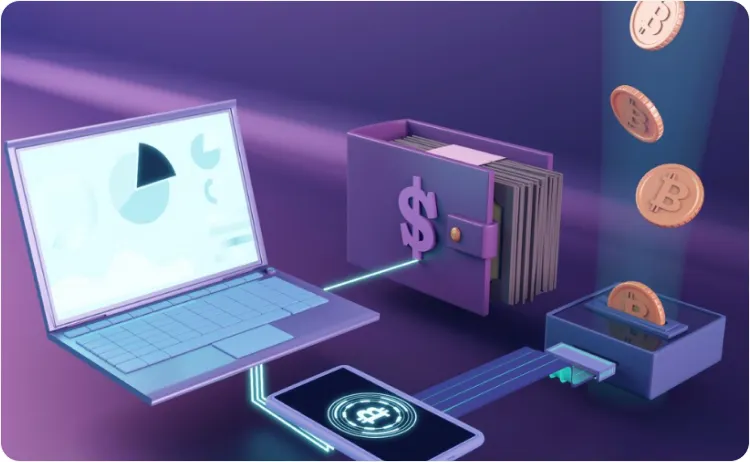
Most people keep two layers: a “spend” wallet on the phone and a safer place for larger balances. Hot wallets stay connected, so they trade convenience for exposure. Cold storage stays offline, so it fits long-term holding and larger amounts.
For daily use, small habits do the heavy lifting. Turn on app lock, keep the recovery phrase off screenshots, and store it on paper in a place that does not travel. When someone moves funds from an exchange, they should double-check the network and the address format, since copying the wrong chain still happens.
KYC, privacy, and where anonymity really ends
Crypto can feel anonymous at the deposit stage because a wallet address does not show a name by default. In practice, that privacy depends on how the funds were acquired and how withdrawals get processed. Many licensed platforms ask for KYC at some point, especially around withdrawals, unusual activity, or account recovery, and that creates a trade-off between speed and compliance.
When comparing best betting apps, the most useful question is not “Do they ask for KYC?” but “When do they ask, and what triggers it?” A clean experience usually includes clear limits, a visible verification status, and support that explains the steps without vague delays.
A smooth payout looks boring on purpose
The easiest crypto withdrawals rarely feel exciting. They feel predictable: stable fees, clear confirmation status, and a wallet setup that never depends on a single device. A sensible pattern uses small tests, keeps a separate wallet for spending, and avoids transferring during fee spikes.
People who treat crypto like a payment rail, not a lottery ticket, usually get the best experience. That mindset keeps transactions simple, costs low, and account access under control.
