
 BTC
BTC
 ETH
ETH
 LTC
LTC
 BCH
BCH
 DOGE
DOGE
 USDT
USDT
 DASH
DASH
 XRP
XRP
 USDC
USDC
 XMR
XMR
 BNB
BNB
 TRX
TRX
 SHIB
SHIB
 DAI
DAI
 ZEC
ZEC
 SOL
SOL
 ETC
ETC
 POL
POL
 XLM
XLM
 ADA
ADA

The virtual gaming industry has long since overtaken offline gaming, garnering approximately 3.32 billion active players. Physical video games are nearly a thing of the past, as more consumers turn to online platforms and apps for their gaming interests. It was estimated that more than one million gaming apps, including the nearly 264,000 on the Google Play Store, existed as o f 2026. The availability is expected to surpass this number in the very near future.
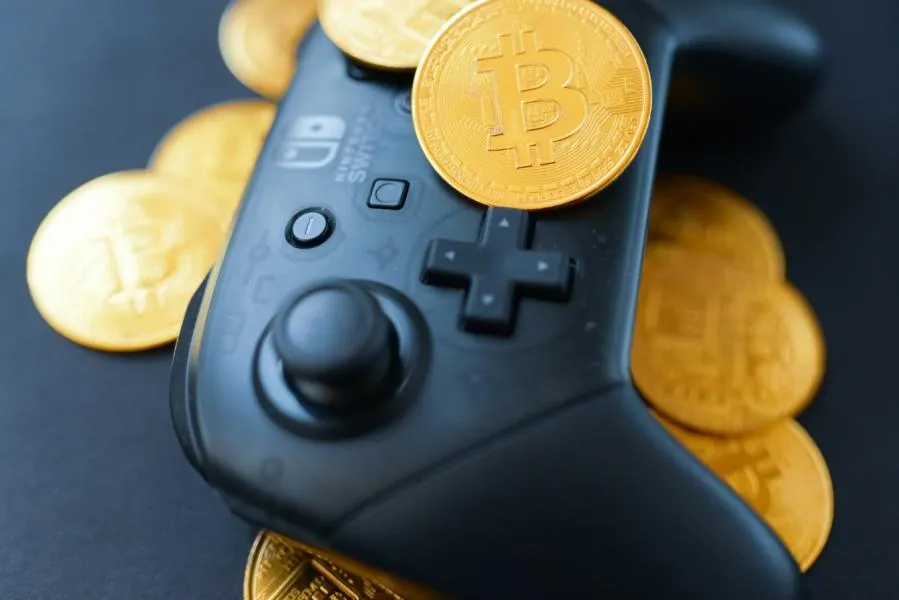
Global Crypto Statistics
You woul d have to be living in a cave not to have heard about cryptocurrencies in 2026. Just because you've heard of crypto doesn't mean that you know everything there is to know about it.
Cryptocurrency is a digital asset that works like real-life money. It represents value and performs a utility function on what is known as a blockchain , which will be covered more later in the article.
Ownership is estimated to stand at a maximum of 740 million consumers, which is about 10% of the global population.
Virtual Money & Virtual Gaming
The online gaming industry has been impacted by many factors over the past decade. One factor in particular was cryptocurrency. What hasn’t been impacted by digital money? Not much when it comes to the Internet.
It is almost as if virtual gaming and virtual money go hand-in-hand. When you consider that between four and seven million gamers regularly utilize digital currency to purchase subscriptions to gaming platforms , such as CryptoCasino.com , and mobile apps.
Most gamers find it much mo re convenient , less transparent, and safer to make online purchases from their cryptocurrency wallets. Online payment systems, such as PayPal, and debit and credit cards are always an option, but there is the matter of Visa and MasterCard fees.
Modernizing Virtual Gaming
Some could say that cryptocurrency played a ma jor, if not the biggest, ro le in modernizing the gaming industry. Digital currency is widely versatile and gives players more freedom to make in-app purchases, whether playing for fun or profit.
Hardcore gamers believe cryptocurrency, through the non-fungible token (NFT), sealed the deal when it came to giving in-game assets true value and transferability.
Blockchain & Online Gaming
Experts predict that blockchain in the virtual gaming industry will grow significantly over the next decade. Some experts expect it to grow from $18.45 billion to $320.26 billion by the year 2035.
More inclusivity and decentralization would definitely transform the gaming industry like never before. Gaming platforms relying on blockchain technology are becoming more enticing, even to the less tech-savvy and less integrated gamer.
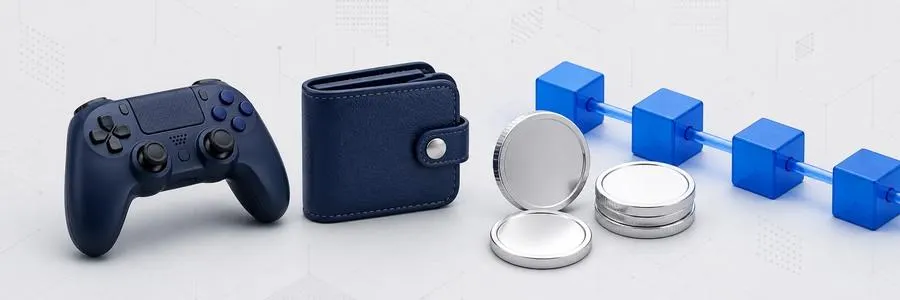
Breaking Down Blockchain
To put it in the simplest of terms, a blockchain is a large ledger that tracks every crypto exchange. The name blockchain comes from the way the system is structured.
It works something like this: transactions are grouped in blocks by miners. These blocks represent a previous or parent block using what is known as a cryptographic hash. Each of these blocks is then connected to a chain. Due to the fact that each of the blocks is tied to a previous or parent block, it makes them incredibly difficult to change.
A bank or company in traditional finance, on the other hand, could make changes quite easily by simply changing the value in their database. Cryptos create a chain on a secure network that prevents previous transactions from being easily changed.
Most & Less Popular Gaming Crypto
Today, Bitcoin is the most versatile and widely used cryptocurrency, and there's a reason for that. It was the first crypto to hit the market. It revolutionized the entire world when it hit the market in 2009. It was launched by a team named Satoshi Nakamoto.
Bitcoin is also so well-known today because of its scarcity. There are only 21 million Bitcoins in existence. Since then, there have been a lot of cryptos to come and go. Many have not been as successful as Bitcoin, and some have even been more successful.
Coming in second is Litecoin, which launched in 2011 as a fork of Bitcoin and used a modified version of Bitcoin's original code. In addition to that, Litecoin processed transactions in a fourth of the time that the original Bitcoin did.
In 2015, a new network launched known as the Ethereum Network. This was another revolution in the world of crypto because it brought along with it something known as smart contracts.
As of right now, there are literally thousands of cryptocurrencies. Most of these are just tokens operating on an existing blockchain network, but are not specifically required by the network. Ether would be the perfect example. Ether powers the Ethereum Network and can be sent to someone else.
When this happens, a smart contract is executed that costs Ether, making it a store of value and a utility token for the Ethereum blockchain. Unfortunately, the majority of these thousands of cryptocurrencies won't survive.
Here is a list of the digital currencies currently leading the market in value: Bitcoin, Ethereum, Tether, BNB, Ripple, Solana, US Dollar Coin, Cardano, Dogecoin, and Avalanche.
Conclusion
The difference between crypto and national currency lies in the fact that national currencies are anchored to debt rather than to a physical asset like gold. To put it more simply, national currencies are centralized, which means they are controlled by governments and central banks. Cryptos, on the other hand, are decentralized.
Their changes to protocols and emissions are determined by a worldwide community, rather than by a government or a central bank. For example, if someone wants to change Bitcoin, it would require voting on a Bitcoin Improvement Proposal. 95% of miners would have to agree with the change. Keep in mind that not all crypto is decentralized.
