
 BTC
BTC
 ETH
ETH
 LTC
LTC
 BCH
BCH
 DOGE
DOGE
 USDT
USDT
 DASH
DASH
 XRP
XRP
 USDC
USDC
 XMR
XMR
 TRX
TRX
 BNB
BNB
 SHIB
SHIB
 DAI
DAI
 ZEC
ZEC
 SOL
SOL
 ETC
ETC
 POL
POL
 XLM
XLM
 ADA
ADA
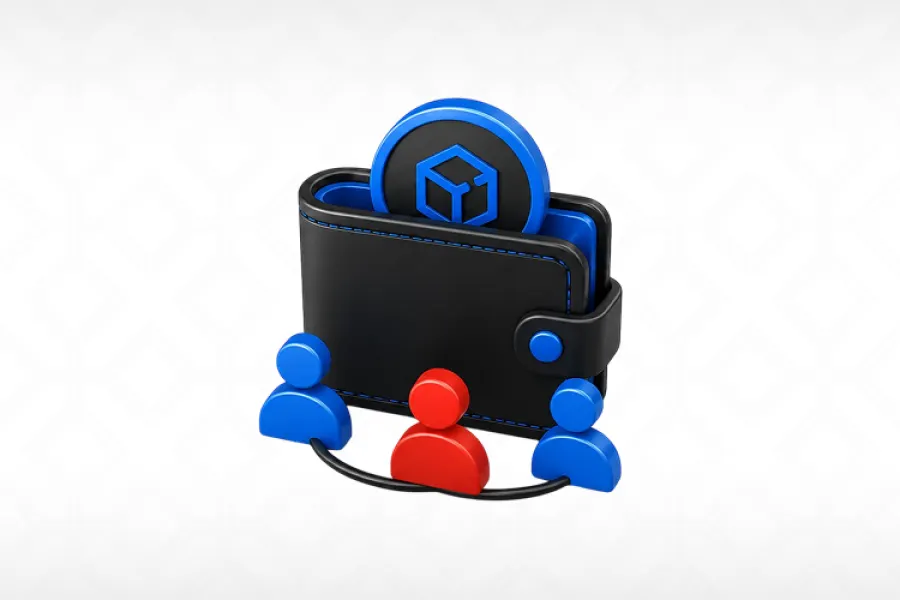
The evolution of cryptocurrency wallets has been one of the most interesting aspects of the industry in recent years. What was once a fairly intimidating way of holding tokens has been transformed into something a lot more user-friendly in several different ways, opening things up for newcomers to this space.
The Original Wallets for Technical Experts
When Satoshi Nakamoto launched the Bitcoin network in 2009, he held the very first wallet. Widely known as the Satoshi Client, this was a simple approach that operated through a file and had no modern features, like seed phrases or two-factor authentication. Still, Satoshi was able to store the tokens from the first blocks he mined and send some to cryptographer Hal Finney as the first BTC transaction in history.
Satoshi used thousands of addresses in those early days, with the coins that are in them still untouched at the time of writing. The first users had to keep their private keys in plain text files like Satoshi, but this was risky with no passwords and the risk of addresses being lost. As more people started showing interest in digital currencies, a need arose for simpler wallets that they could use to keep their BTC secure.
The introduction of the BIP-32 wallet moved the industry toward a model where a tree of keys could be generated from any single master seed. The immediate advantage here was that the user only needed to back up the wallet once to ensure future access to any addresses and keys they might set up. This type of wallet arrived in 2011, with Electrum leading the way.
We had to wait until 2013 for the Bitcoin Improvement Proposal 39 (BIP-39) to come along and give us the now-familiar 12 to 24-word seed phrase that made it easier to restore wallets without it becoming a mammoth technical task.
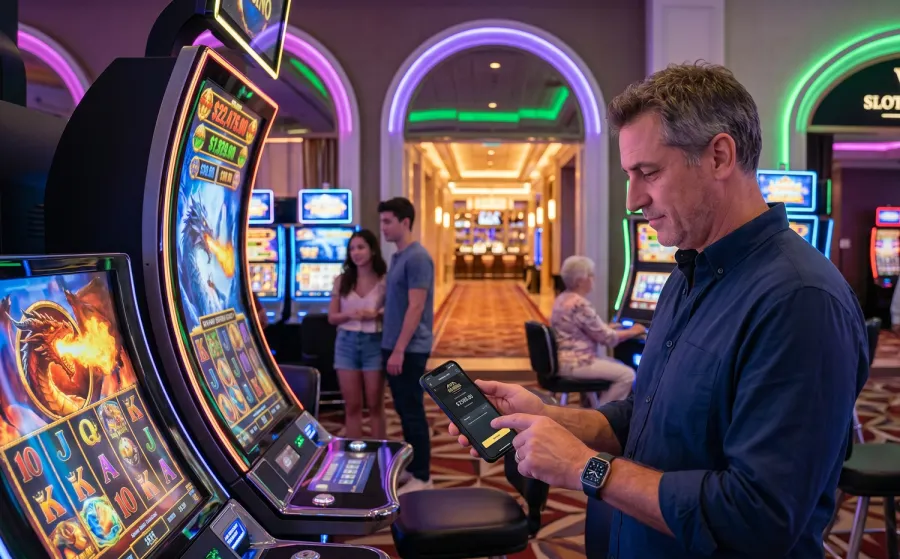
The Modern Approach for Casino Users
Most modern wallets use a combination of the advances we’ve looked at to give a highly secure approach, but it still isn’t perfect for everyone. If someone wants to keep their funds safe for a long time, it does this securely, but they run the risk of forgetting the seed phrase before they use it.
Of course, that’s not so likely if you use the wallet regularly for online transactions, entertainment, etc. However, we then hit a different issue. Someone who just wants to play some casino games might find that the wallet appears old-fashioned and clunky; this is particularly evident when making a transfer to another wallet, since each one has a long address that is almost impossible to understand.
This is where the introduction of Bitcoin slots using Jiggle wallets has shifted the landscape. Players can now set up a wallet using biometric scans and forget about the need for seed phrases and long wallet addresses. Transfers are sent using a very simple link that removes the need to try to revise impossibly long addresses before sending money.
Using this kind of wallet allows the person to put their focus on the games they want to play, rather than the process of moving funds across. They can almost immediately have BTC in their account and start trying themed slots or other casino games, removing the technical barrier that might stop some people.
Other players might choose to play using tokens like Ethereum and Tether, meaning that they simply need to find a suitable wallet for the token they want to use and their level of technical ability.
The rise of crypto casinos has led to renewed interest in popular slot themes and characters. This video showing Cleopatra with Coachella fashion shows us how this leads to new ideas.
Web-Based and Mobile Wallets for Every Type of Crypto User
While some people might feel comfortable using those old-style wallets that emerged in the early days of crypto, others want to get the simplest and most convenient approaches for their lifestyles.
With over eight billion smartphones in the world, it’s easy to see why mobile crypto wallets have become so important to someone who wants instant accessibility wherever they go. This kind of flexibility could suit someone who uses crypto for business purposes, to make payments for goods and services, or to always know their exact balance. Biometric security is commonly used to fit the modern phone user’s lifestyle and security needs.
Web-based wallets are more suitable for those users who want a deeper level of asset management through desktop integration. Someone who holds multiple tokens and wants to keep their portfolio perfectly balanced at all times might find that a multi-asset web wallet gives them the best approach.
No matter what reasons you have for using cryptocurrencies, taking a moment to consider the types of wallets currently available will help you to make the right decision.
