
 English
 Español
 Français
 Português
 BTC
 ETH
 LTC
 BCH
 USDT
 DOGE
 DASH
 USDC
 XRP
 XMR
 TRX
 BNB
 SHIB
 SOL
 DAI
 ZEC
 ETC
 POL
 ADA
 XLM
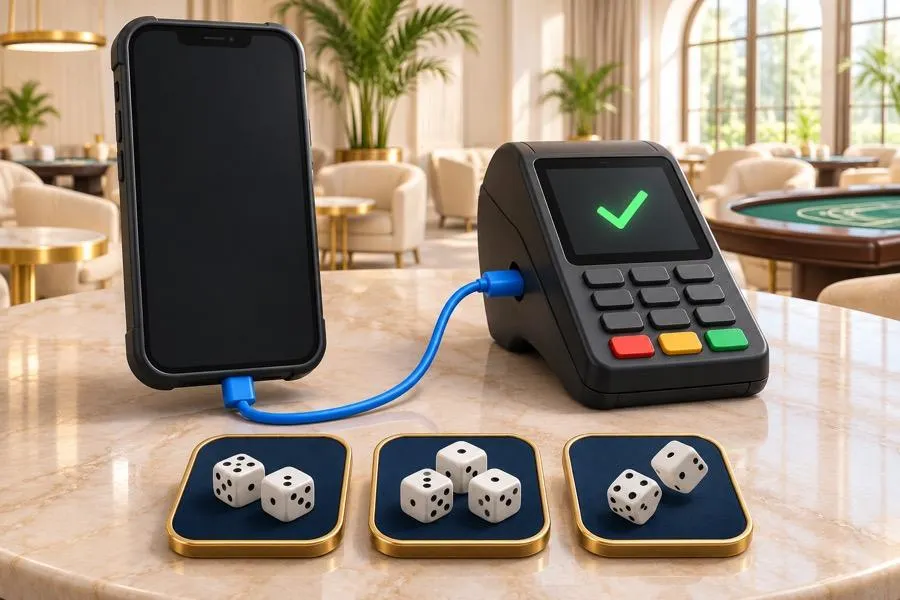
Beyond peer-to-peer payments and digital ownership, cryptocurrencies have found a place in online casinos. Initially, only Bitcoin was used as the preferred payment option in gaming platforms. As the industry matures and becomes popular among players, other cryptos have been added to the lineup.
Fast-forward to today, questions on whether they can play in Bitcoin or crypto have been settled, except for a few issues. Beginners and casual players increasingly worry about where these crypto deposits go after the platform approves them. The rise of multi-platform hubs, such as social casinos, add complexity to how players’ deposits are processed, credited, and used. Unlike most online casinos, these hubs use one player’s access to different platforms.
This shift reflects a change in crypto spending trends, where the payment interface matters as much as the asset being transferred. In online gaming, we call it the “hub”.
From Isolated Cashiers to Funding Hubs
In a typical online casino, one cashier receives deposits and disburses the payouts. A player who plays at three casino platforms would need three accounts and logins, three separate casino payment methods, and three balances. Using crypto makes players’ transactions safer and quicker, but fragmentation remains.
Multi-platform hubs work differently, with crypto deposit options across game platforms. Here, players only need one account to access all platforms to play games. You’ll find the cashier’s tools, including balance access, payments, and account controls lumped together in one interface, while the deposit is moved to a specific destination.
The Account Layer vs. the Platform Layer
Knowing the difference between account and platform layers is key to understanding the hub’s operations. The hub is your account layer where you manage your logins, check wallet balances, complete pending verifications, and access your payments. Then there’s the individual game platform where you’ll move the payments and use funds to play games.
Having a single account within the hub doesn’t mean a single balance flows across platforms. The hub centralizes account access and payments, but you still decide how you move and use the funds, and where you’ll play the games. The account and platform layers work differently, and every new player must know this before signing and making the first deposit.
A Working Example: BitBetWin
Let’s use BitBetWin as an example that uses this business model. On its homepage, it lists more than 35 gaming platforms, including Juwa, Game Vault, Orion Stars, and Vegas X. Each of these platforms feature a different lineup of games, with others offering a slots-focused lobby, while others host a blended selection of slot, fishing, and arcade games.
Choosing a Platform, Then a Payment Route
In the deposit section, you’ll need to address two key questions: which gaming platform you're funding and the payment method you'll use. BitBetWin displays its crypto deposit options for game platforms in one view so that you can choose the platform and payment method in one go. Each deposit is linked to the platform you’ve selected.
For payments, BitBetWin’s FAQ lists Bitcoin (BTC), Litecoin (LTC), and Dogecoin (DOGE), with two internal options: Main Wallet Balance and Bonus Wallet Balance. Having a two-wallet arrangement serves its purpose within the hub. This only shows how the hub-style casino payment works, combining on-chain transfers with balances held in your account. Like in other online casino platforms, BitBetWin’s crypto options may change without prior notice.
What the Documented Terms Say
BitBetWin requires a $10 minimum platform deposit. The operator’s T&Cs doesn’t specify its deposit fees, but blockchain network fees or third-party provider fees may still apply. This is something you’ll need to consider when using crypto for payments in gaming platforms. Even if it’s advertised as a “no platform fee” with “no cost”, it doesn’t mean that you’ll never incur extra costs.

What Matters Before Any Crypto Moves
Marketing crypto casino deposits centers on speed. Crypto players know this, with rechecks and verification built into the process since transactions are usually irreversible.
The first checkpoint is choosing the right coin and network. Sending crypto over an incompatible network often causes problems for many users. Then there’s the amount: you must transfer an amount that meets the platform’s published minimum, which covers the network fees that change depending on activity. Next is where your funds are headed.
On a hub, the player finds a platform list and supported banking options. For example, in Fire Kirin, you’ll find deposit options and platform list which streamlines the process Once you pick it from the list and fund the account, your money only goes to this platform only.
Finally, there’s your transaction status. Your deposit tagged ‘Paid’ is not necessarily ‘Completed’, and it’s important to know the difference. Cryptwerk’s coverage of crypto payment infrastructure explains how payment confirmation works across services.
Crypto Does Not Replace Account Rules
For most players, using crypto coins is an excuse to skip the usual verification and account checks. Hubs and their partner platforms still require account verification, particularly Know Your Customer (KYC) and anti-money laundering checks, which may still apply.
Then there’s the eligibility concern, which is beyond the operator’s control. Access to online casino platforms varies by US state, and some features or services may be restricted where the player lives. Also, these games are offered only to players 21+ years of age, and access rules depend on location, not the choice of banking method.
The Bigger Picture for Crypto Payments
The hub model works differently from a payments perspective. It consolidates all processes into one interface, which reduces friction around account management. The trade-off is that players should pay attention since a single screen requires several separate decisions.
For crypto casino platforms, this consolidation is its anchor. If you’re planning to play on these platforms, the question is no longer just “which coins to use”. Instead, you’ll also need to review which platform your money flows through and which account rules apply. So completing your crypto casino deposits isn’t just about your choice of coin, but also how it's routed and used.
Treat any crypto deposit as entertainment spending, not a financial strategy to earn additional income. Set a budget before starting and use the operator’s account limits. If gaming is no longer fun, take a break, or consider contacting our state’s support helpline.
