
 BTC
BTC
 ETH
ETH
 LTC
LTC
 BCH
BCH
 DOGE
DOGE
 USDT
USDT
 DASH
DASH
 XRP
XRP
 USDC
USDC
 XMR
XMR
 TRX
TRX
 BNB
BNB
 SHIB
SHIB
 DAI
DAI
 ZEC
ZEC
 SOL
SOL
 ETC
ETC
 POL
POL
 XLM
XLM
 ADA
ADA
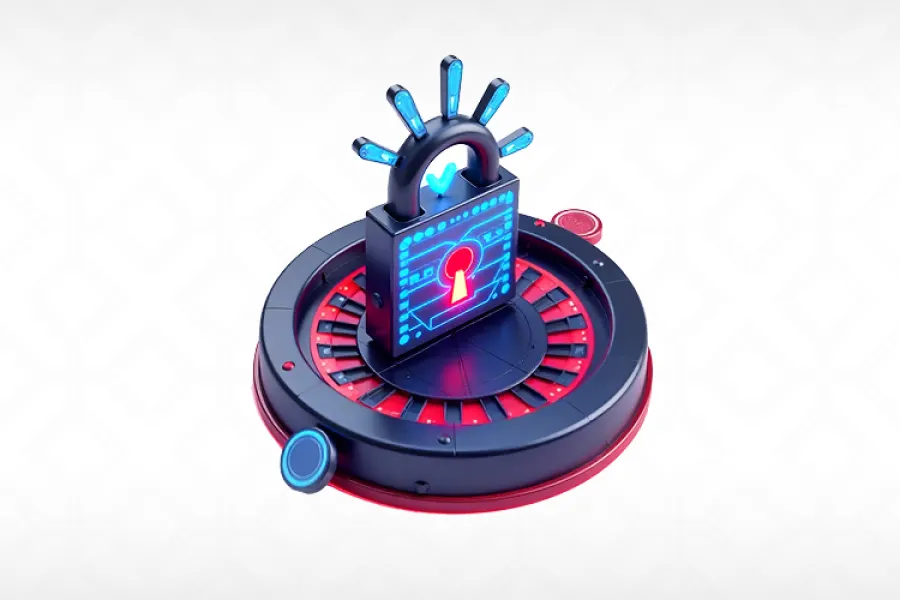
Crypto payments quietly became part of online roulette long before many players noticed it. At first, they were mostly used by tech-savvy users who valued speed and privacy. Over time, digital currencies turned into a practical alternative for anyone who didn’t want to rely on traditional banking methods.
In Florida, this shift happened gradually. Players didn’t switch to crypto because it was trendy. They did it because it solved real problems: long processing times, rejected payments, and unnecessary exposure of personal data. Still, using crypto doesn’t automatically mean using it safely.
What Florida players should understand first
Crypto itself isn’t illegal in Florida, but that doesn’t mean every platform handles it responsibly. The main risk isn’t the currency - it’s where and how it’s used.
When people talk about online roulette in Florida, crypto often comes up as a workaround rather than a shortcut. It doesn’t change the legal landscape, but it gives players more control over how their funds move.
That control comes with responsibility. Once a transaction is sent, it can’t be reversed. There’s no chargeback button. This is why preparation matters more than speed.
Which coins don’t complicate things
Not all cryptocurrencies behave the same way. Some are fast but volatile. Others are stable but slower.
Most roulette players stick to a few common options:
- Bitcoin (BTC) - reliable, but sometimes slow and expensive
- Ethereum (ETH) - widely accepted, but fees can spike
- Stablecoins (USDT, USDC) - less volatility, easier to track value
For short roulette sessions, stablecoins often make the most sense. You don’t need to worry about price swings while the wheel is spinning. Experts usually recommend separating gambling funds from long-term crypto holdings for this reason.

Wallet safety comes before the deposit
Before sending anything, players need a secure wallet. Using an exchange wallet might be convenient, but it’s not ideal for frequent payments. Personal wallets give more control and reduce dependency on third parties.
Basic safety rules are simple but often ignored:
- Enable two-factor authentication
- Store recovery phrases offline
- Double-check wallet addresses before sending
Many payment mistakes happen because of rushed copy-paste errors. In roulette, there’s no advantage in being fast with deposits. Taking an extra minute is worth it.
Before you hit send, check this
A roulette site accepting crypto doesn’t automatically mean it handles payments well. Experts look at a few practical details.
First, deposit confirmations should be clearly explained. How many confirmations are required? What happens if the network is congested?
Second, withdrawal rules should be transparent. Crypto withdrawals shouldn’t involve surprise fees or unclear processing times.
This is the kind of detail players quietly compare, including on Roulette77, without making a big issue out of it.
How people lose crypto on simple payments
One of the most common mistakes is sending the wrong currency to the wrong address. For example, sending USDT on the wrong network can result in permanent loss.
Another issue is mixing wallets. Depositing from one wallet and attempting to withdraw to another without checking the platform rules can trigger delays or extra verification.
Experts also avoid keeping balances on roulette platforms longer than necessary. Crypto is meant to move. Once a session ends, funds usually go back to the wallet.
Privacy doesn’t mean invisibility
Crypto offers more privacy than bank cards, but it’s not anonymous in the way many people assume. Wallet addresses are public, and transaction histories are permanent.
Safe crypto use is about limiting exposure, not disappearing completely. Using fresh addresses, avoiding address reuse, and keeping gambling activity separate from personal crypto accounts helps reduce unwanted links. Many players in Florida just prefer not to mix gambling funds with the rest of their crypto.
How safe crypto use changes the roulette experience
When payments stop being a problem, roulette sessions feel different. There’s less frustration around deposits and fewer interruptions caused by external checks.
That doesn’t change the game itself. The wheel still behaves the same way. But it removes friction around the session, which is often what pushes players into rushed decisions.
Crypto doesn’t improve odds. It improves control.
Where caution still applies
Even with crypto, not every risk disappears. Network fees fluctuate. Wallets can be compromised. Platforms can change rules.
This is why experienced players treat crypto as a tool, not a solution. They keep it simple, double-check every step, and avoid platforms that make payment handling confusing. In roulette, clarity matters. Payments are part of that clarity.
Crypto doesn’t change how roulette works. The wheel still does what it always does. What it changes is everything around the game — how fast money moves and how much control you keep over it.
Most problems with crypto payments don’t come from the technology itself. They come from rushing, skipping details, or trusting platforms without checking how payments actually work. A bit of attention up front usually saves a lot of frustration later.
