
 BTC
BTC
 ETH
ETH
 LTC
LTC
 BCH
BCH
 DOGE
DOGE
 USDT
USDT
 DASH
DASH
 XRP
XRP
 USDC
USDC
 XMR
XMR
 BNB
BNB
 TRX
TRX
 SHIB
SHIB
 DAI
DAI
 ZEC
ZEC
 SOL
SOL
 ETC
ETC
 POL
POL
 XLM
XLM
 ADA
ADA
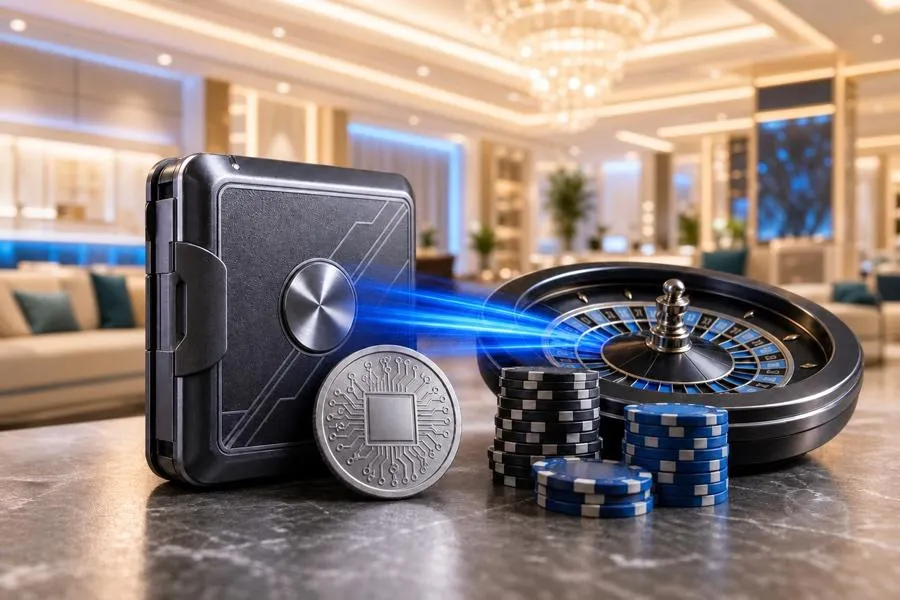
There is a certain kind of leisure that thrives on speed. Someone finishes dinner, has a free hour, and wants a little light entertainment without a lengthy setup. That impulse is exactly why so many casual players have gravitated toward Bitcoin-friendly gaming sites, where a quick transfer from a wallet can turn into a few rounds of blackjack or a spin on the reels within seconds.
Review directories that catalog these crypto-accepting gaming sites make the appeal obvious, listing options where fast exchanges, low-friction deposits, and crypto withdrawals available around the clock let spontaneous players jump in and cash out whenever the mood strikes. For anyone who already keeps funds in a wallet, the distance between deciding to play for a bit and actually playing has never been shorter.
The Way Things Used to Work
Rewind a decade or so, and casual online play looked very different. A person who felt a sudden urge to test their luck faced a wall of friction. Card details had to be typed in, banks sometimes flagged the charge, and deposits could sit in limbo for hours. Cashing out was worse — some methods took three to five business days, and by the time the money landed, the impulse that started it all had long faded.
That slow rhythm shaped the whole experience. Play was something a person planned for, not something they slipped into during a spare half hour. The moment of wanting to try something right now collided with a payment system that simply was not built for right now. Enthusiasm cooled in the waiting room of pending transactions.
How Crypto Rewrote the Timeline
The arrival of Bitcoin and, later, stablecoins like USDT changed the tempo completely. Instead of routing money through intermediaries that keep bankers' hours, a transfer moves peer to peer, settling on a schedule the sender controls. Modern exchanges — whether centralized order books, decentralized swaps, or peer-to-peer desks — let someone convert or move funds in minutes rather than days.
This is the part that matters for spontaneous play. When a deposit confirms almost instantly, the gap between deciding and doing nearly disappears. A person browsing a crypto spending directory might notice how gaming sites now sit right beside coffee shops, hosting services, and travel booking tools that accept the same coins. The wallet that pays for a VPN subscription can just as easily fund an evening of casual gaming, and back again. No new account at a bank, no waiting for a wire to clear.
Speed also cuts both ways, which is the underrated half of the story. Being able to move winnings out just as quickly as they went in gives casual players a sense of control that older methods never offered. Money does not feel trapped. That single change — the ability to leave the table and see funds arrive shortly after — removed one of the biggest sources of hesitation that used to hold spur-of-the-moment players back.
Why Speed Fits Casual Play So Well
Spontaneous leisure has a short shelf life by nature. The window opens, and if the setup takes too long, the window closes. Instant deposits keep that window open. Someone can decide on a whim to try a few hands, load a small amount from a wallet, and be playing before the kettle finishes boiling.
Consider a game like Roulette, a staple that has survived from grand European halls to glowing phone screens. Its charm is that a single round takes under a minute — place a bet, watch the wheel, see the result. That fast loop pairs naturally with instant crypto funding. There is no reason to load a large balance in advance when topping up takes seconds, so casual players can keep their commitment small and their sessions short, exactly the way spontaneous entertainment is meant to work.
The Role of Wallets and Exchanges
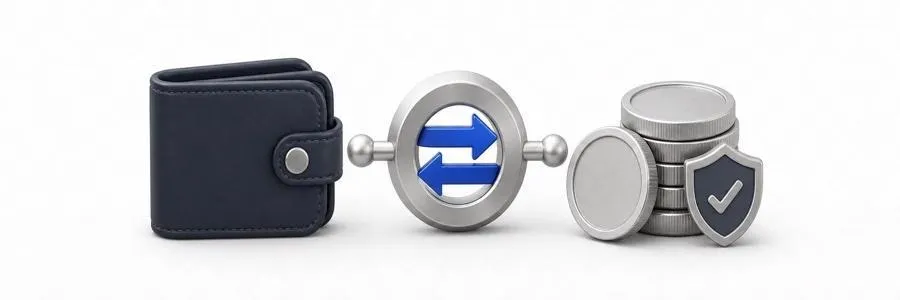
None of this works without the tools that surround it. A well-organized wallet, a reliable exchange, and a stablecoin or two form the quiet infrastructure behind every fast session. Stablecoins deserve special mention here: because their value holds steady, a player can deposit ten dollars' worth of USDT and know it will still be worth roughly ten dollars an hour later. That predictability makes casual budgeting painless.
Exchanges, meanwhile, have grown far more user-friendly. What once required patience and technical know-how now takes a couple of taps. A person can swap one coin for another, send it off, and move on — all from the same app they use to check prices or pay a merchant. The whole crypto-spending ecosystem has matured into something that feels less like a hobby for specialists and more like a normal set of everyday financial habits.
The math behind that spinning wheel is more elegant than most people realize. A study of curve-tracing geometry even borrows the word "roulette" to describe the path a point traces as one curve rolls along another — a reminder that the game's name is rooted in the physics of motion and rotation. Players rarely think about the geometry, of course. They just enjoy the quick rhythm, and quick funding keeps that rhythm intact.
Where Things Stand Now
The contrast between then and now is striking. Slow, plan-ahead sessions have given way to light, on-demand entertainment that fits into the cracks of a busy day. Crypto did not invent the desire for a quick bit of fun — that impulse is as old as leisure itself. What changed is the friction around it.
For crypto users who already move value across the web with ease, treating a short gaming session the same way they treat any other quick purchase feels perfectly natural. The technology finally caught up to the way people actually want to spend a spare moment: quickly, simply, and on their own terms.
