
 BTC
BTC
 ETH
ETH
 LTC
LTC
 BCH
BCH
 DOGE
DOGE
 USDT
USDT
 DASH
DASH
 XRP
XRP
 USDC
USDC
 XMR
XMR
 BNB
BNB
 TRX
TRX
 SHIB
SHIB
 DAI
DAI
 ZEC
ZEC
 SOL
SOL
 ETC
ETC
 POL
POL
 XLM
XLM
 ADA
ADA
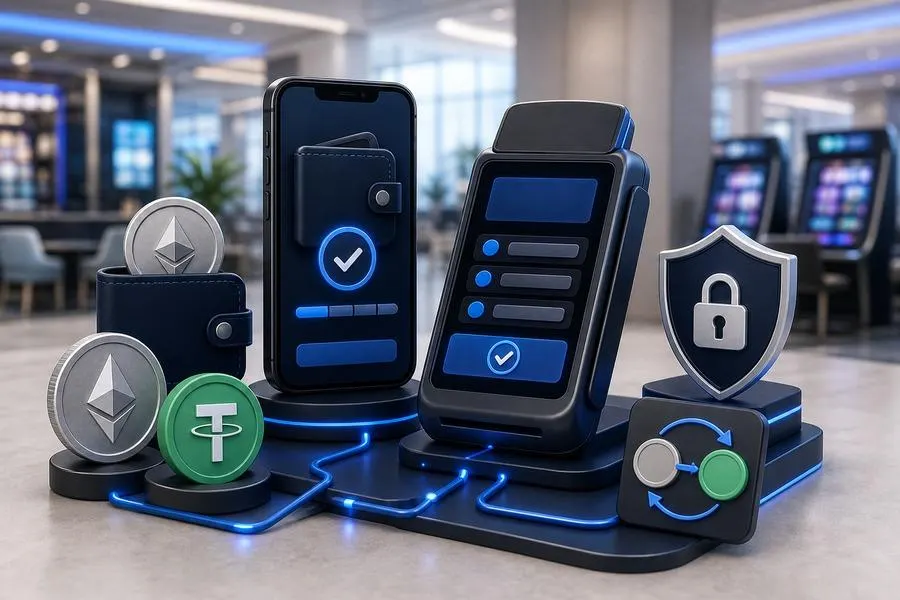
In 2025, 56% of Australian consumers used mobile wallets in a typical month, up from 8% in 2015, according to RFI Global’s Australian Payments Diary.
That single figure says a lot about what you now expect from any online payment screen: speed, clarity and a feeling that you can see what’s happening as it happens.
That expectation reaches the casino cashier too. If you’re used to tapping your phone, checking a banking app or sending money with clear confirmations, a casino deposit page has to work harder to feel current. Ethereum and stablecoins are useful here because they point toward a cashier that’s easier to follow, easier to price and easier to trust. For a player-facing brand like VoltRush, that creates a real opportunity, since the cashier can become a smoother part of the entertainment experience that helps you understand deposits, withdrawals, balances and timing in plain language.
Wallets Set The Tempo
Australians have become very comfortable paying through a screen. The Australian Banking Association reported that Australians made $160 billion worth of mobile wallet payments in the past year, across more than four billion mobile wallet transactions. That’s a useful benchmark because it shows how normal phone-based payment behaviour has become in everyday life.
The same ABA report said 99.3% of customer-bank interactions now happen through digital channels. So when you arrive at a casino cashier, you’re probably bringing banking-app expectations with you. You expect a clear amount, a visible status, a simple confirmation and a record you can check later.
RFI Global adds an important age layer. In 2025, 93% of Australians under 25 used mobile wallets each month, compared with 25% of Australians over 55. That doesn’t mean every player wants the same cashier design, but it does show why mobile-first payment flows feel natural to a growing part of the audience.
| Australian payment habit | Verified source | What it suggests for casino cashiers |
|---|---|---|
| 56% of consumers used mobile wallets in a typical month in 2025. | RFI Global Australian Payments Diary. | Cashier screens should feel familiar on mobile. |
| Australians made $160 billion in mobile wallet payments in the past year. | Australian Banking Association 2025 Bank on It report. | Payment convenience is now a mainstream expectation. |
| 99.3% of customer-bank interactions happen through digital channels. | Australian Banking Association. | Players are used to checking money movement online. |
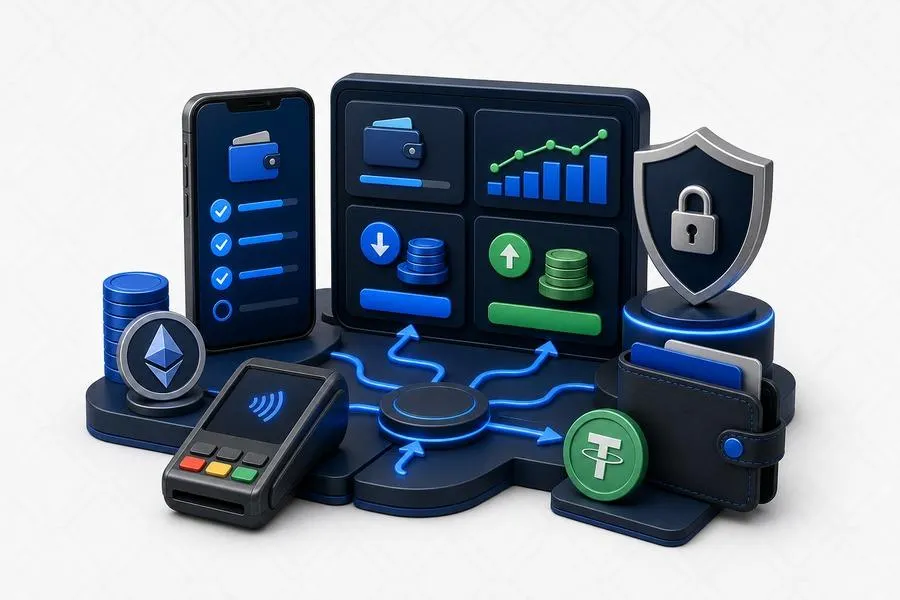
This is where VoltRush fits naturally into the conversation. A clear cashier gives you a sense of control before you even start playing, because the payment experience feels closer to the digital tools you already use every week.
Ethereum As The Receipt Rail
Ethereum can sound technical at first. For most of us, the useful idea is simpler: it shows how payment movement can be more visible. You don’t need to know every technical detail to appreciate a system that can show whether a transaction has been sent, received and confirmed.
Crypto awareness in Australia gives this idea a stronger base than it would have had a few years ago. The Independent Reserve Cryptocurrency Index 2025 found that 95% of Australians were aware of at least one cryptocurrency. The same report found that 31% of Australians had invested in or held crypto, based on an annual cross-sectional survey of more than 2,000 Australians conducted from 1 to 14 January 2025.
That doesn’t mean every Australian player is ready to use Ethereum at a cashier. It means the basic language of crypto is now familiar enough to explain in practical terms. The better angle is usability: when you deposit, can you tell what happened, where the payment is up to and when it’s ready to use?
A strong Ethereum-style cashier should feel like a receipt trail, not a technical test. It should help you see the payment journey in plain English, from wallet confirmation through to account crediting. That kind of design respects your time.
There’s an afterthought worth keeping. The best crypto cashier may be the one that doesn’t make you feel like you’re using crypto infrastructure at all. For VoltRush, the positive lesson is clear: if crypto payments are offered, the cashier should guide you with plain labels, visible progress and sensible prompts that make each step feel manageable.
Stablecoins And Steady Thinking
Stablecoins bring another useful idea into the cashier discussion: steadier displayed value. If Ethereum helps explain visibility, stablecoins help explain why you may prefer a balance that’s easier to read against a familiar value. For Australian players, that usually means seeing a clear AUD reference before making a payment choice.
The research foundation here needs care. There’s no clear evidence that stablecoins are widely used in Australian casino cashier flows, so it’s worth staying cautious on that point. What we can say is that crypto familiarity is high, and Ethereum has clear relevance among Australian crypto users.
Independent Reserve reported that Bitcoin remained the most commonly held cryptocurrency among Australian crypto investors at 70%, while Ethereum was held by almost 30% of crypto investors. That gives Ethereum a real place in the conversation without overstating how people use it at casino cashiers.
The stablecoin lesson is more about design thinking. A modern cashier should:
Help you understand value before, during and after payment.
If you deposit a crypto amount, you should be able to see what it represents, what fee may apply and how the amount relates to the balance you’ll use.
Show the deposit amount, the estimated received amount, the network or payment route, the fee before confirmation, the transaction status and a clear AUD reference where possible.
That’s a solid list, but it also raises a bigger question. If Australians already expect banking apps to show clear balances, confirmations and transaction histories, why should a casino cashier feel any less direct?
Checkout Without The Headache
The next casino cashier should borrow from mainstream checkout design. Simple screens. Consistent prompts. Clear status labels. A payment path that feels easy to follow from first tap to final confirmation.
Australian payment design is already moving in this direction. In a Thoughtworks case study with Australian Payments Plus, PayTo customer experience guidelines were created to help merchants and billers present PayTo consistently to customers. The same case study says PayTo is enabled within online banking for 90% of retail transaction banking accounts.
That’s useful for casino cashier thinking because PayTo is built around account-to-account payments that customers can authorise and manage through banking channels. It shows how Australian payment experiences are being designed around clear customer journeys, not vague payment instructions.
Australian Payments Plus CEO Lynn Kraus put the broader direction plainly: 'This strategic plan will help drive the modernisation and simplification of the Australian payments system.' That quote fits this cashier conversation well because simplification is exactly what players benefit from when payment options expand.
For VoltRush, the strongest version of the next cashier is one that feels guided from the start. If Ethereum is available, show the route clearly. If a stable-value option is available, show the amount in familiar terms. If a withdrawal is processing, show the stage without making you hunt for meaning.
This is where good design does more than look tidy. It reduces guesswork. It lets you make a payment choice with a better sense of timing, cost and account movement.
The Cashier Becomes The Compass
Ethereum and stablecoins reveal something useful about where casino cashiers can go next. They point toward payment screens that give you clearer records, more visible progress and balances that are easier to understand in everyday terms.
For you as an Australian player, that direction already fits the way payments work across daily life. Mobile wallets are common, digital banking is deeply embedded, and crypto awareness is high enough for plain-English payment tools to feel approachable.
The best cashier of the next few years will probably feel less like a separate payment corner and more like a dashboard for money movement. You’ll want to know what you paid, what arrived, what it’s worth and when it’s available.
That’s the real promise. A cashier that gives you clarity before you commit. And if Australian payments already feel this fast and visible elsewhere, why shouldn’t the casino cashier catch up too?
Advisory Notice: A good rule of thumb is to gamble for fun, never for profit. Decide what you're willing to spend before you start, treat that money as already gone, and take a break if you notice yourself chasing losses or feeling pressured to carry on. If the enjoyment slips away or stress takes its place, you can talk to someone confidentially at any time through Gambling Help Online.
Author’s Bio: James McCallough is the founder of Cadmus Copy, an agency focused on scalable digital marketing. He works across SEO-optimised content, copywriting, content management and digital strategy.