
 BTC
BTC
 ETH
ETH
 LTC
LTC
 BCH
BCH
 DOGE
DOGE
 USDT
USDT
 DASH
DASH
 XRP
XRP
 USDC
USDC
 XMR
XMR
 BNB
BNB
 TRX
TRX
 SHIB
SHIB
 DAI
DAI
 ZEC
ZEC
 SOL
SOL
 ETC
ETC
 POL
POL
 XLM
XLM
 ADA
ADA
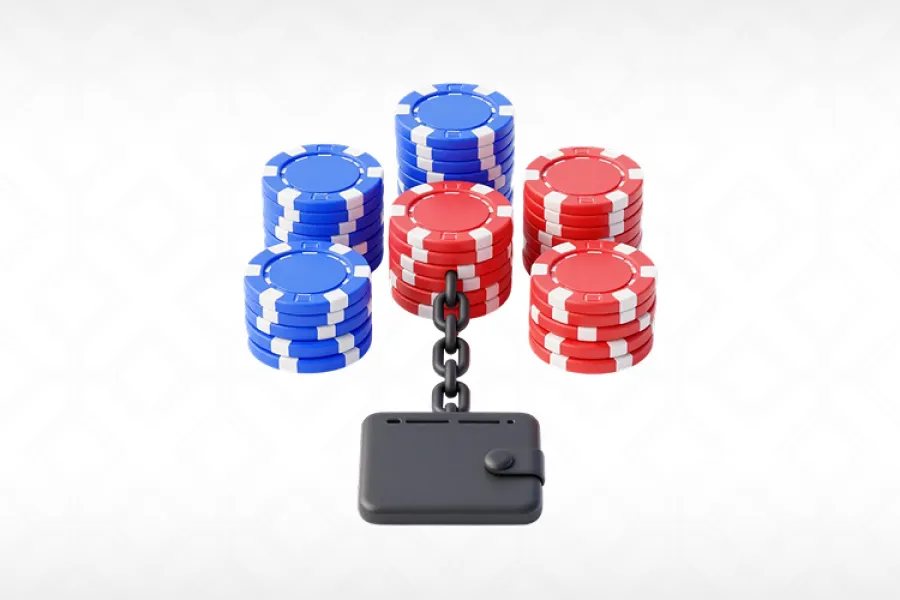
The world of online gaming is bursting with new chances and new risks, especially now that cryptocurrency has entered the scene. Players often notice that sites come and go, rebranding and popping up under different web addresses almost overnight.
But one thing rarely changes amid all this movement: the crypto wallet where your money ends up. Even as scam sites rotate domains to dodge investigators, the same wallet address keeps collecting deposits. This pattern isn’t just a technical detail—it’s a warning sign of how digital scams are evolving and why it matters for anyone stepping into crypto gaming.
The familiar wallet amid vanishing domains
If you’ve spent any time navigating crypto gaming sites, you might have noticed something strange: while the web address changes, the wallet address asking for your deposit often does not.
It’s unsettling when a site you visited last month suddenly reappears under a new name, but the string of characters for sending your coins is exactly the same. For many players, this is the first clue that something isn’t right—especially when the pattern repeats itself across supposedly different platforms.
Operators rely on this trick to avoid getting caught. By shifting domains, they dodge blacklists and web filters, but keeping the same wallet address lets them keep receiving funds uninterrupted. This kind of domain rotation is no small-time operation—it’s a method seen in over a thousand fraudulent gaming sites worldwide, according to recent research.
For anyone searching for a trustworthy option, it’s hard to know where to turn. Even users who explore sites like https://arabiccasinos.guide/best-online-casinos/egypt/ find the search for a reliable venue complicated by this constant cycle of rebranding and wallet recycling.
The upshot is that the digital scenery keeps shifting, but the financial destination stays alarmingly familiar. It’s a quiet reminder that appearances can be deceiving, and a persistent wallet address is often a red flag waving just beneath the surface.
The rise of professionalized crypto scams
This pattern—same wallet, new site name—signals more than just persistence from scammers. It reveals a shift toward highly organized, business-like operations that go far beyond lone opportunists.
Scam groups now use automation to spin up fresh gaming sites in a matter of hours, sometimes running hundreds or even thousands in tandem. The wallet address acts as the common thread, quietly receiving deposits from unsuspecting players who think they've found a new platform.
It's not just a trick to avoid being caught. With over 1,200 fraudulent online gaming sites reportedly using domain rotation tactics, the scale of deception has become industrial. These groups often operate like companies: they test which domains attract the most users, quickly abandon those flagged by watchdogs, and reinvest in new names, all while the money flows into the same crypto wallet.
The human impact is sobering. Most victims don't realize they've been scammed until their funds are long gone, buried within a complex chain of transactions. By the time the pattern becomes clear, the damage is already done—and the operation has likely moved on.
As highlighted in a recent cybercrime report, this industrialized approach to deception is spreading quickly across borders. For everyday gamers, it means staying alert and learning to spot the subtle clues—because professional scammers are only getting sharper.

Why authorities target domains, not wallets
This push-and-pull between scammers and investigators has shaped the way authorities respond to crypto gaming frauds. When a scam operation is discovered, regulators usually move quickly to seize the website’s domain name, hoping to cut off access for new victims.
Domains are visible and centralized, making them a convenient target for law enforcement. Shutting them down can make a public impact and briefly interrupt the scammers’ flow of new signups. But wallet addresses are a different story entirely. Unlike domains, they’re decentralized and not tied to any one service that can simply take them offline.
This technical gap means that even as domains disappear, the same crypto wallet is ready and waiting for deposits under the next rebranded site. In practice, this gives scammers an easy reset button—they launch a fresh site with a new web address, but keep funneling funds to the original wallet.
The cycle makes it tough for digital investigators to connect the dots. And it leaves open questions about how much of a difference domain seizures really make. Recent international crackdowns, like the crypto scam domain seizure, highlight the ongoing challenge in breaking the financial chains that keep these scams alive.
What stays with the player
These relentless domain switches leave players with a sense of always needing to look over their shoulder.
As sites vanish and reappear, gamers start noticing details they once might have missed—like a wallet address that keeps popping up, even though the site’s name or look has changed.
This experience shapes new habits. People get better at spotting repeating wallet strings and become more cautious about where they send their coins.
Some start sharing warnings with friends or on forums, helping others avoid the same traps. It’s a shift from trusting a flashy home page to double-checking what’s underneath.
In the end, staying safe often comes down to paying close attention and learning from patterns—because, for now, scammers are always one step ahead, and awareness is sometimes the only shield left.