
 BTC
BTC
 ETH
ETH
 LTC
LTC
 BCH
BCH
 DOGE
DOGE
 USDT
USDT
 DASH
DASH
 XRP
XRP
 USDC
USDC
 XMR
XMR
 BNB
BNB
 TRX
TRX
 SHIB
SHIB
 DAI
DAI
 ZEC
ZEC
 SOL
SOL
 ETC
ETC
 POL
POL
 XLM
XLM
 ADA
ADA
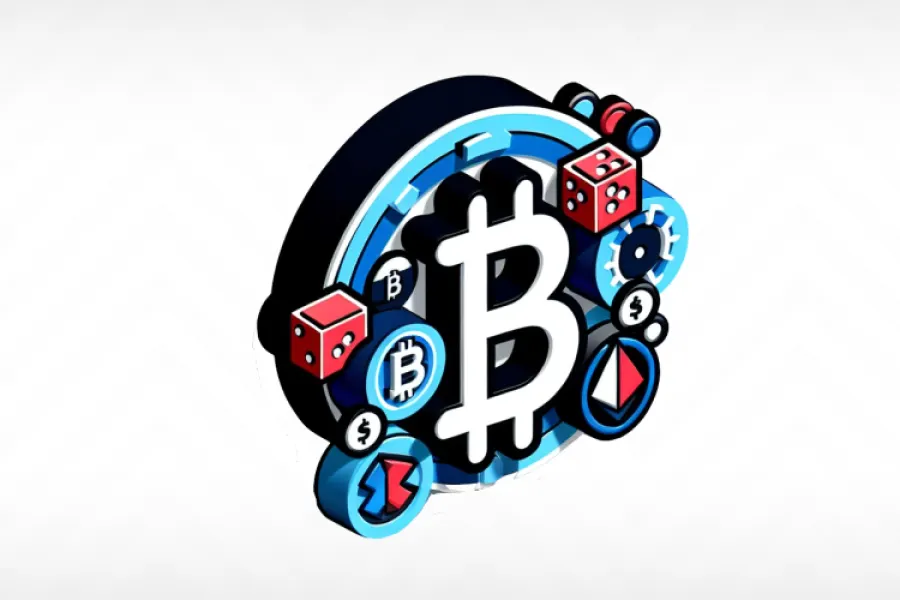
The rise of cryptocurrency has ushered in a new era of financial innovation, transforming how we handle transactions, invest, and entertain ourselves. This article delves into the potential and challenges of integrating cryptocurrency in finance, gambling, and gaming, using detailed statistics, names, and figures to provide a comprehensive overview.

The Role of Cryptocurrency in Modern Finance
Cryptocurrency has revolutionized modern finance, offering new avenues for investment and decentralized financial transactions. The integration of blockchain technology ensures secure and transparent operations, driving its popularity.
Bitcoin, the pioneer of cryptocurrencies, reached a market capitalization of over $1 trillion in 2021. As of July 2023, Bitcoin's price fluctuates around $30,000, highlighting its volatility yet major influence in the financial market.
Ethereum, with a market cap exceeding $400 billion, introduced smart contracts, enabling decentralized applications (dApps) and complex financial transactions. The Ethereum 2.0 upgrade aims to enhance scalability and security, making it a crucial player in crypto space.
Crypto in Online Gambling
The gambling industry has seen a significant transformation with the adoption of cryptocurrency, offering enhanced privacy, faster transactions, and global accessibility.
Bitcoin casinos like BitStarz and FortuneJack have gained popularity, providing a variety of games and betting options with seamless crypto transactions. These platforms attract players with their anonymity and quick payouts, setting them apart from traditional casinos.
Platforms like Augur and Gnosis use Ethereum's smart contracts to facilitate decentralized betting markets. This technology ensures transparency and eliminates the need for intermediaries, making the betting process more efficient and trustworthy.
The Intersection of Crypto and Gaming
Cryptocurrency has significantly impacted the gaming industry, introducing new monetization models and in-game economies that enhance player engagement and ownership.
Games like Axie Infinity and The Sandbox enable players to earn cryptocurrency through gameplay. Axie Infinity, for instance, reported over $1 billion in revenue in 2021, illustrating the lucrative potential of play-to-earn models.
Non-fungible tokens (NFTs) have revolutionized in-game assets, allowing players to own, trade, and monetize their digital items. Games like Decentraland and CryptoKitties leverage NFTs to create unique, player-owned economies, boosting the overall gaming experience.
Security and Regulatory Challenges
While cryptocurrency offers numerous benefits, it also poses significant security and regulatory challenges that need to be addressed to ensure safe and sustainable growth.
The decentralized nature of cryptocurrencies makes them susceptible to cyber-attacks. In 2022, crypto exchange Binance suffered a $40 million hack, emphasizing the need for robust security measures to protect users' assets.
Regulatory frameworks for cryptocurrency vary globally, creating uncertainty for investors and users. Countries like China have imposed strict regulations, while others like El Salvador have adopted Bitcoin as legal tender, reflecting diverse approaches to crypto regulation.
Integrating Crypto into Traditional Financial Systems
The integration of cryptocurrency into traditional financial systems offers potential for innovation and efficiency but also requires careful consideration of existing structures and regulations.
Banks like JPMorgan Chase and Goldman Sachs have started offering crypto-related services, indicating growing acceptance in traditional finance. JPMorgan launched its own cryptocurrency, JPM Coin, to facilitate instant payments between institutional clients.
Countries are exploring CBDCs to combine the benefits of cryptocurrency with the stability of traditional currencies. The Digital Yuan in China and the Sand Dollar in the Bahamas are examples of early CBDC implementations aimed at enhancing financial inclusion and efficiency.
The Future of Cryptocurrency in Entertainment
The entertainment industry is poised for significant changes with the integration of cryptocurrency, offering new opportunities for content creation, distribution, and monetization.
Platforms like Audius and Filmio use blockchain to democratize music and film production, allowing artists to retain more control and revenue. Audius, for instance, has over 6 million monthly active users, displaying the potential of blockchain in entertainment.
Combining VR with cryptocurrency can create immersive experiences with real economic value. Projects like Decentraland and Somnium Space enable users to buy, sell, and trade virtual real estate and goods, blending virtual reality with blockchain technology.
Educational Initiatives and Crypto Literacy
As cryptocurrency becomes more prevalent, educational initiatives are crucial to enhancing understanding and adoption among the public.
Institutions like MIT and Stanford offer courses on blockchain and cryptocurrency, providing foundational knowledge and advanced skills. These educational programs are essential for fostering a knowledgeable community that can drive innovation in the crypto space.
Platforms like Coursera and Udemy provide accessible courses on cryptocurrency, while online communities such as Reddit's r/cryptocurrency offer peer-to-peer learning and discussion. These resources help demystify crypto and encourage informed participation.
Social and Ethical Considerations
The rise of cryptocurrency also brings social and ethical considerations that need to be addressed to ensure equitable and sustainable growth.
Bitcoin mining consumes significant energy, with estimates suggesting it uses more electricity annually than Argentina. Efforts to transition to more sustainable practices, such as Ethereum's move to a proof-of-stake model, are crucial for reducing the environmental footprint of crypto.
Cryptocurrency can enhance financial inclusion by providing access to financial services for unbanked populations. Projects like Stellar aim to facilitate low-cost, cross-border transactions, promoting economic participation in underserved regions.
The Best Social Casinos
Social casinos offer a unique blend of traditional gambling experiences with social gaming elements, making them a popular choice for casual players.
Platforms like Slotomania and DoubleDown Casino provide a range of casino games with social features such as leaderboards and multiplayer modes. These platforms attract millions of users with their engaging gameplay and community aspects. Integrating cryptocurrency into social casinos can enhance the gaming experience by offering secure, fast, and anonymous transactions. The potential for earning and trading crypto within these platforms adds a new dimension to social gaming.
Conclusion: Embracing the Future of Crypto
The integration of cryptocurrency in finance, gambling, and gaming represents a transformative shift that offers immense potential and presents significant challenges. As technology and regulatory landscapes evolve, the adoption of crypto will continue to shape the future of these industries, driving innovation and creating new opportunities for users worldwide. Embracing the potential of cryptocurrency while addressing its challenges will be key to realizing its full benefits in this new era of play.